
Introduction
Managing money can feel stressful, especially when income is limited and expenses keep rising. Many people earn regularly but still struggle at the end of the month because they do not follow a clear system. This is where a monthly budget plan becomes extremely useful. A monthly budget plan helps you understand where your money goes, how much you can spend, and how much you should save. Instead of guessing or worrying, you get clarity and control.
For beginners, budgeting may sound boring or complicated. However, it is actually a simple habit that anyone can learn. With a proper monthly budget plan, you can pay bills on time, reduce unnecessary spending, and slowly build savings. Even if your income is small, budget planning can make a big difference over time.
This guide is written in simple English for beginners and intermediate readers. It explains the meaning, importance, and steps of creating a monthly budget plan in a practical way. You will also learn about benefits, risks, common mistakes, and expert tips. By the end of this article, you will feel confident enough to create and follow your own budget planning system. If you want financial peace, better control over monthly expenses, and smarter saving money habits, this guide will help you start today.
What is Monthly Budget Plan?
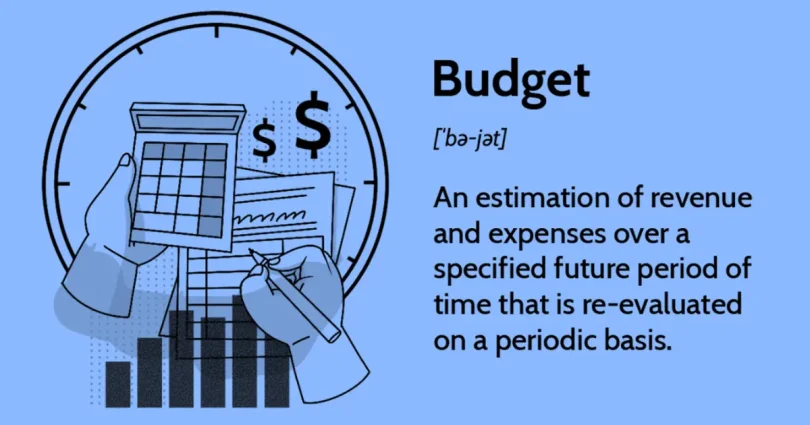
A monthly budget plan is a written or digital plan that shows your income and expenses for one month. It helps you decide in advance how much money you will spend on needs, wants, and savings.
In simple words, it is a roadmap for your money. You list how much you earn and then divide it into categories like rent, food, transport, bills, and savings. This makes budget planning clear and practical.
A monthly budget plan is not about stopping all fun. Instead, it helps you spend wisely while staying within your limits. Anyone can use it, regardless of income level.
Why is Monthly Budget Plan Important?
A monthly budget plan is important because it gives direction to your finances. Without a plan, money often disappears without notice.
Here is why it matters:

- It helps control monthly expenses
- It reduces financial stress
- It supports saving money regularly
- It prepares you for emergencies
- It improves financial discipline
When you follow a monthly budget plan, you make better decisions and avoid unnecessary debt.
Detailed Step-by-Step Guide
Step 1: Calculate Your Monthly Income
First, write down your total monthly income. Include salary, freelance work, or any side income. Use the amount you actually receive after deductions.
Step 2: List All Fixed Expenses
Fixed expenses stay the same every month. These include rent, loan payments, internet bills, and insurance. Write them clearly.
Step 3: Track Variable Expenses
Variable expenses change monthly. Examples include groceries, fuel, dining, and shopping. Tracking these is key to effective budget planning.
Step 4: Set Saving Goals
Decide how much you want to save each month. Even a small amount matters. Saving money should be treated like an important expense.
Step 5: Create Spending Categories
Divide your money into categories such as needs, wants, and savings. This structure makes your monthly budget plan easier to follow.
Step 6: Adjust and Balance
If expenses are higher than income, adjust categories. Cut unnecessary spending until your budget balances.
Step 7: Review Monthly
At the end of each month, review your plan. This helps improve your monthly budget plan for the next month.
Benefits of Monthly Budget Plan
- Helps manage money efficiently
- Encourages saving money consistently
- Reduces unnecessary spending
- Improves awareness of monthly expenses
- Builds long-term financial stability
- Supports future financial goals
Disadvantages / Risks
- Requires discipline and consistency
- Can feel restrictive at first
- Needs regular tracking
- Unexpected expenses may disrupt the plan
Despite these risks, the benefits of a monthly budget plan are much greater.
Common Mistakes to Avoid
Many people fail at budget planning due to simple mistakes. Avoid these common errors:
- Not tracking small expenses
- Setting unrealistic saving goals
- Ignoring irregular expenses
- Giving up after one bad month
- Not reviewing the monthly budget plan
Learning from mistakes helps you improve over time.
FAQs
What is the best way to start a monthly budget plan?
Start by tracking your income and expenses for one month. Then create simple categories and adjust slowly.
Can a monthly budget plan work on low income?
Yes, it is even more important on low income. Budget planning helps control spending and improve saving money habits.
How much should I save each month?
Try to save at least ten percent of your income. If not possible, start with any small amount.
Should I include entertainment in my budget?
Yes, include it as a limited category. A balanced monthly budget plan allows controlled enjoyment.
How often should I review my budget?
Review it monthly. Regular reviews improve accuracy and control over monthly expenses.
Is budgeting difficult to maintain?
It may feel hard at first, but with practice, a monthly budget plan becomes a natural habit.
Expert Tips & Bonus Points
Experts recommend starting simple and staying consistent. Use a notebook or spreadsheet, whichever feels comfortable. Always pay yourself first by saving money before spending. Plan for emergencies by creating a small buffer. Most importantly, be flexible and patient with yourself while budget planning.
Conclusion
A monthly budget plan is one of the most powerful tools for improving your financial life. It gives you control, clarity, and confidence about your money. Instead of worrying about bills and expenses, you know exactly where your income is going. This makes daily financial decisions easier and smarter.
For beginners, the key is to start simple. You do not need complex systems or perfect numbers. What matters is awareness and consistency. Over time, your budget planning skills will improve, and you will learn how to manage monthly expenses more effectively. You will also notice better saving money habits and reduced stress.